260PS-M09550-48V
Wheatstone
| Availability: | |
|---|---|
| Quantity: | |
Product Description
The WHEATSTONE Axial Flux Motor is a next-generation electric motor technology designed to deliver high power density, compact dimensions, and superior efficiency. Unlike traditional radial flux motors, the axial flux design positions the magnetic flux path parallel to the axis of rotation, enabling a shorter, lighter, and more energy-efficient motor. This architecture makes it ideal for electric vehicles, aerospace propulsion, renewable energy systems, and advanced industrial applications.
High Power Density – Achieves greater torque and power output in a compact, lightweight structure.
Superior Efficiency – Reduced copper and core losses improve energy conversion efficiency.
Compact Design – Flat, disc-shaped geometry enables integration into space-constrained systems.
Scalable Performance – Suitable for both low-speed high-torque and high-speed drive applications.
Thermal Management – Optimized cooling options (air, liquid, or conduction) maintain reliable performance under high loads.
Customization Options – Configurable windings, voltage ranges, cooling systems, and mechanical interfaces to meet specific requirements.
Motor Type: Axial Flux Permanent Magnet Motor
Frame Sizes: Customizable from 100 mm to 600 mm
Efficiency: >95% depending on configuration
Torque Density: Up to 2x higher compared to conventional radial flux motors
Cooling: Air-cooled, liquid-cooled, or conduction cooling available
Temperature Range: -10°C to +50°C
Protection Class: IP54–IP68 depending on application
Applications: Electric vehicles, aerospace propulsion systems, renewable energy (wind & hydro), robotics, and high-performance industrial machinery
Motor Dimensions

Electrical Parameters
| Main performance parameters | |||
| Rated Power(KW) | 10 | Rated Torque(NM) | 32 |
| Rated Current(A) | 126 | Maximum Torque(NM) | 64 |
| Rated Speed(RPM) | 5000 | Insulation Class | F 155℃ |
| Maximum Speed(RPM) | 5500 | Safety Class | IP65 |
FAQ
Why are axial flux motors more popular in some industries than radial flux motors?
1) High power density: the magnetic flux direction is parallel to the movement direction, and there is no need to wind the coil in the tooth groove like the radial motor, the structure is more compact, and the same volume can output a larger torque
2)The axial dimension is extremely short, and it is in the shape of a "flying disc", which is very suitable for installation scenes with limited space such as hub motor or chassis embedding
3)The magnetic lines pass through the air gap in a straight line, the path is short and the loss is low, and the combination with permanent magnets can achieve higher efficiency (usually 2% to 5% higher than radial)
4)The stator winding is usually exposed or close to the end cover of the casing, and heat can be easily dissipated. Compared with the radial winding enclosed in the stator slot, it has stronger heat dissipation ability
5)Due to the short magnetic circuit, the back iron (yoke) is thinner, and the overall use of copper and iron is significantly reduced, which is very attractive to fields with high requirements for lightweight.
Video
Application Industry
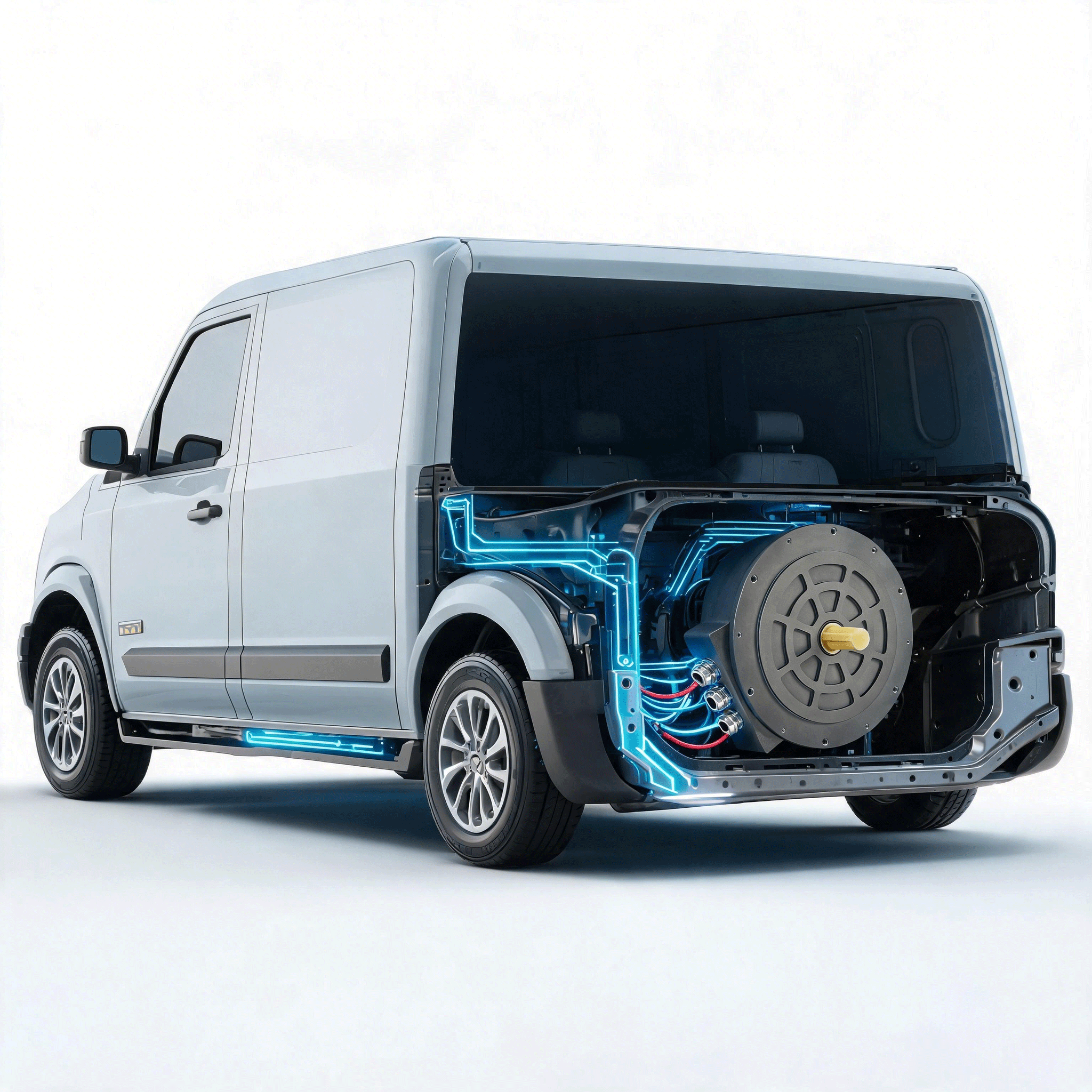
1.New Energy Vehicles and Transportation
This is currently one of the most critical application areas for axial flux motors, and its advantages include:
Improved Space Utilization: Their flat structure makes them ideal for integration into wheel hubs or axles. For example, after adopting in-wheel motors, China’s electric buses have achieved a completely flat passenger floor, allowing them to accommodate more passengers while maintaining the same vehicle length.
Increased Range and Performance: Compared to traditional motors, they reduce weight by approximately 50%, freeing up more space for batteries and effectively extending driving range. High-performance electric vehicles also value their high torque density.
2.Industry and Robotics
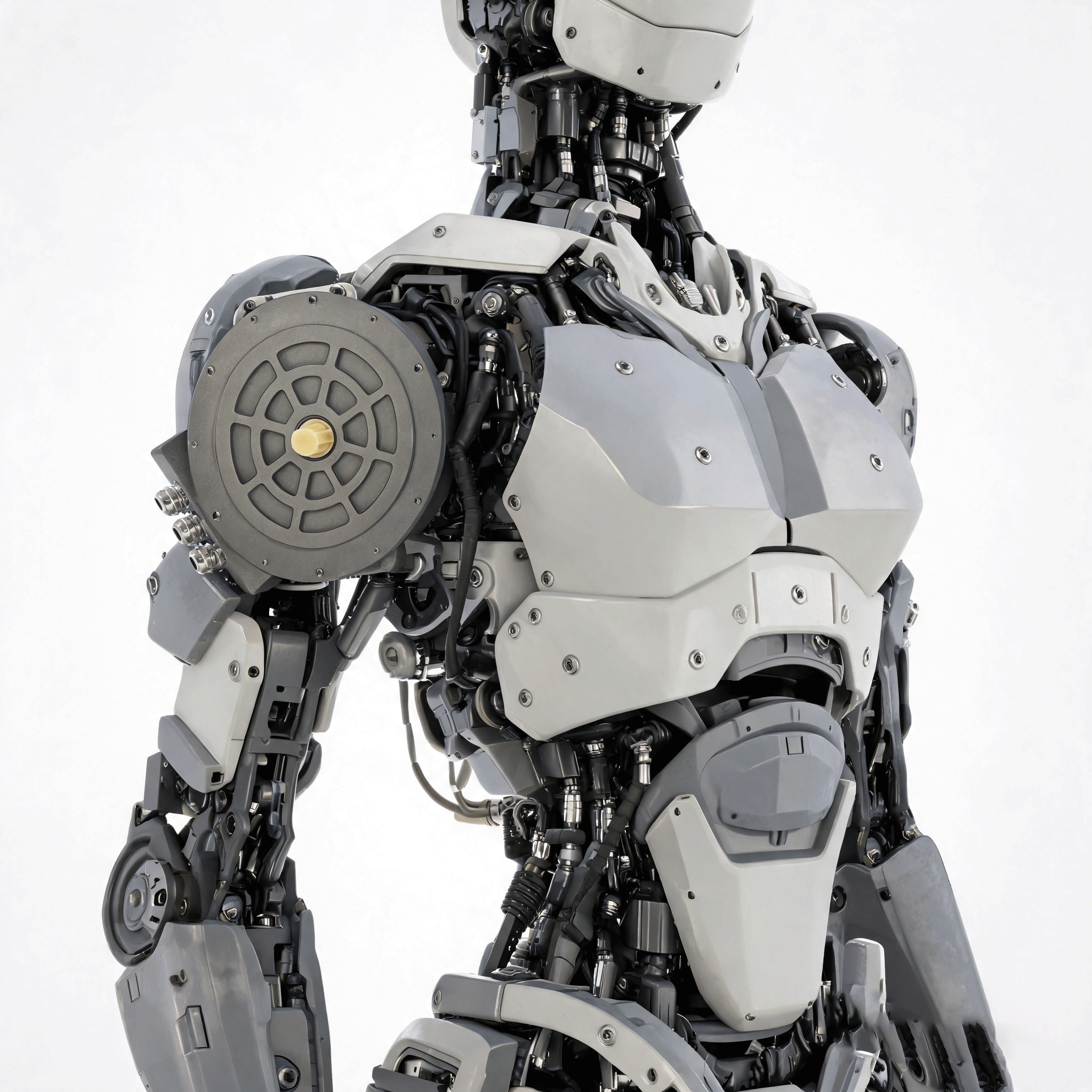
In the fields of industrial automation and robotics, axial flux motors are also playing an increasingly important role:
Creating more agile robots: In the joint drive modules of humanoid robots, these motors deliver extremely high torque density (up to 293 Nm/kg), enabling more agile movements and greater load-carrying capacity. Industrial robots also benefit from their combination with precision reducers (such as harmonic reducers).
Powering High-Performance Equipment: Their flat design makes them ideal for space-constrained precision equipment, such as camera gimbals, universal joints, scanners, and medical imaging devices (e.g., MRI and CT scanners). They also offer advantages in applications such as machine tool spindles and CNC equipment.
3.Applications in Agricultural Machinery
The use of axial-flux motors in agricultural machinery primarily addresses the core challenges faced by traditional agricultural machinery during its transition to electric power, including space constraints, weight sensitivity, and high efficiency requirements. With its flat, lightweight, and highly efficient design, this technology is becoming a key driver in advancing the green and intelligent transformation of agricultural machinery.