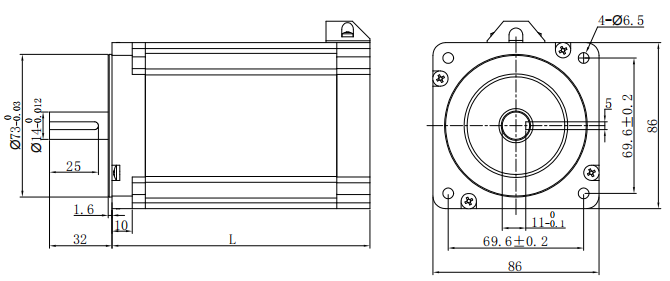
High-temperature stepper motors are primarily designed for use in extreme thermal environments where conventional motors are unsuitable; their core value lies in their ability to provide precise motion control directly in high-temperature and even vacuum environments, without relying on complex auxiliary cooling or thermal insulation systems.
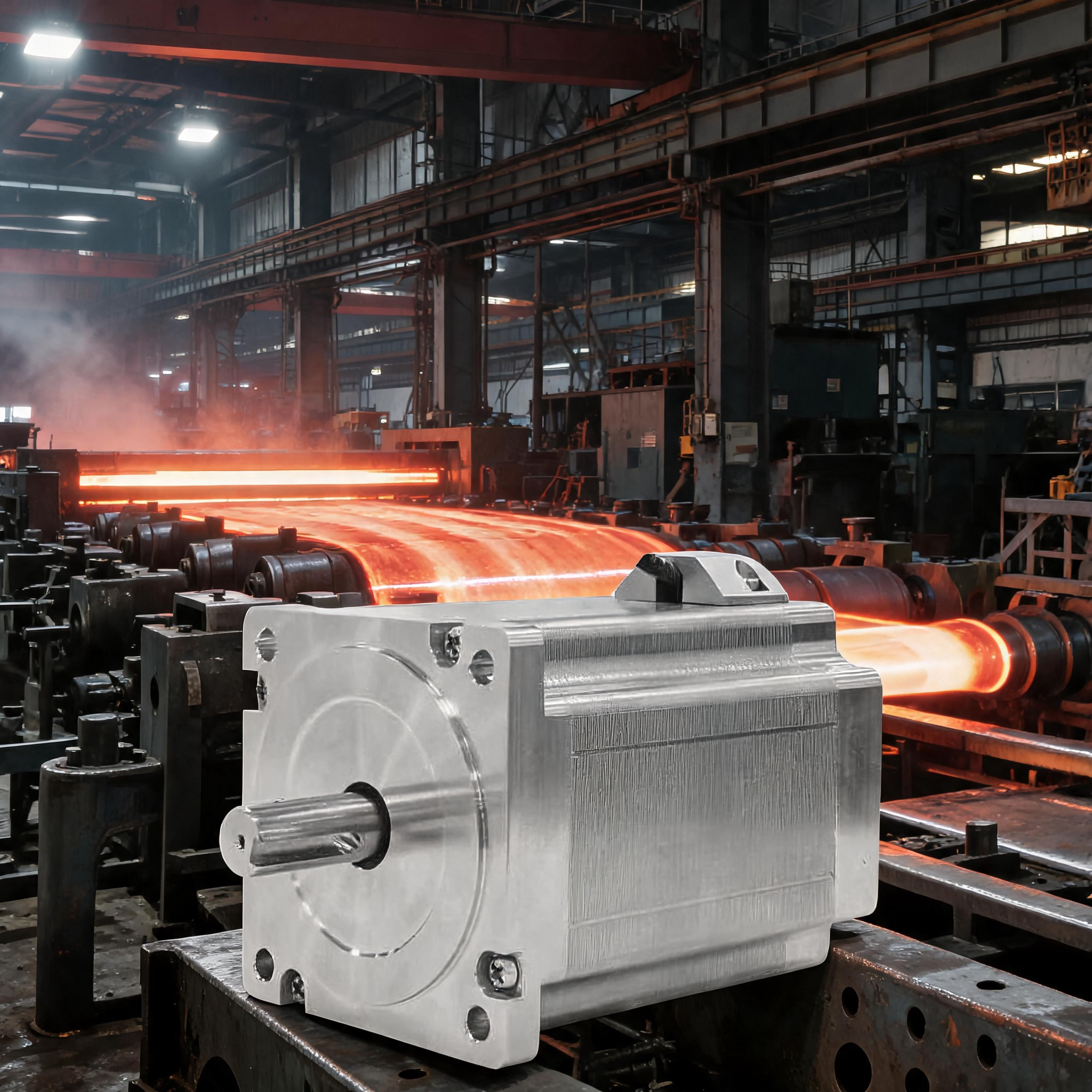
1.Industrial High-Temperature Processes and Testing
High-temperature testing and ageing equipment: Can be installed directly within high-temperature test chambers or ageing ovens to conduct life testing and performance verification of electronic components in temperature ranges from –40 °C to +150 °C or even higher, thereby eliminating the need for complex thermal insulation designs.
Automotive component testing: Simulates the high-temperature environments found in engine compartments or near braking systems to test the reliability and durability of components at temperatures of +85 °C or higher.
Glass and Metal Smelting: Used in high-temperature work areas such as glass furnaces and tempering workshops to drive agitators or material transfer mechanisms.
Semiconductor Manufacturing: Provides precise linear or rotary motion for process stages requiring high temperatures and high cleanliness, such as wafer handling and probe testing.
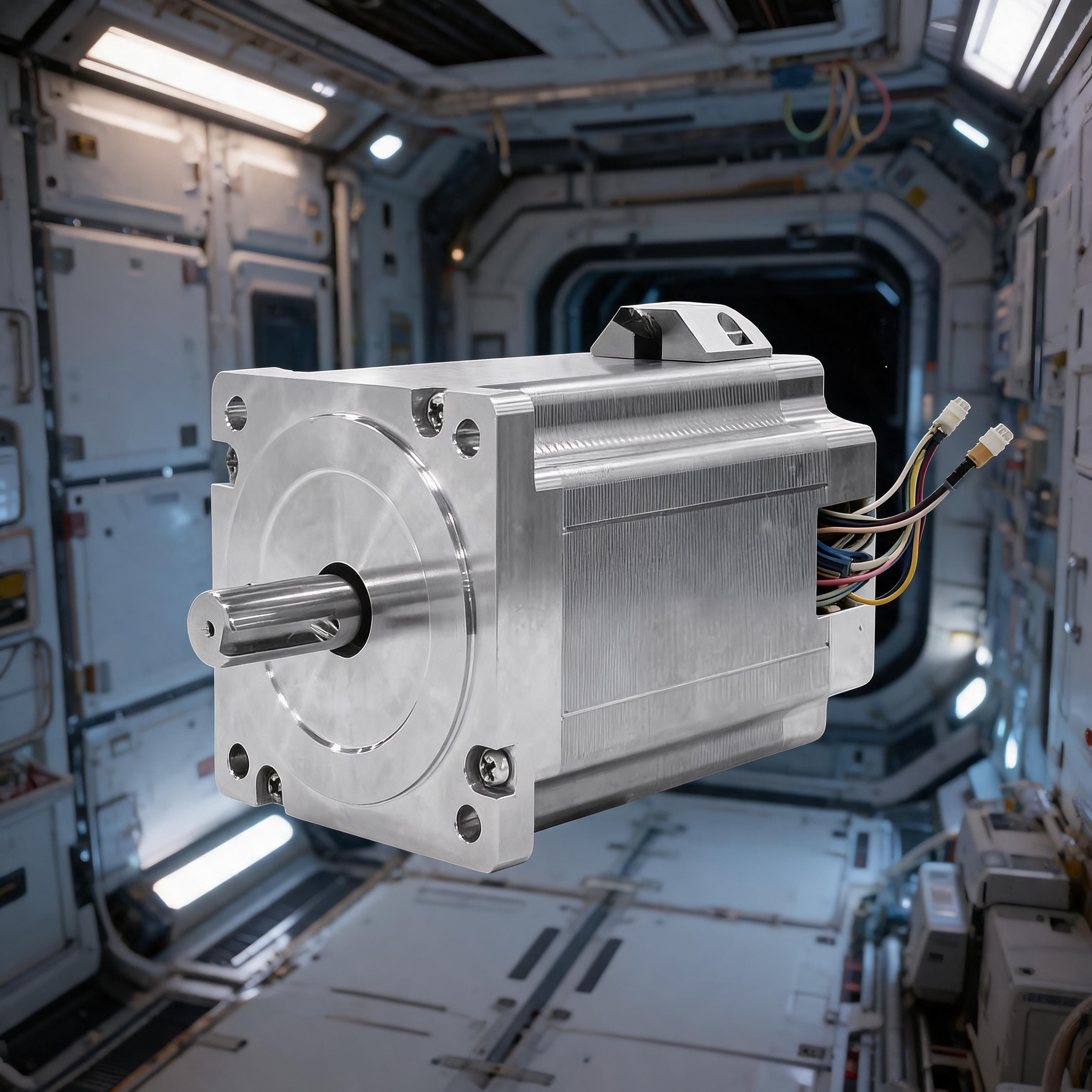
2.Aerospace and Defence Equipment
Applications of this kind often involve a combination of demanding requirements such as high temperatures, vacuum conditions and radiation resistance, posing extreme challenges to the overall performance of electric motors.Spacecraft and Space Stations: Used to drive solar panels to track the sun and control robotic arms, amongst other tasks, these motors must withstand
the extreme temperature fluctuations and vacuum conditions of space.
Ground-based Simulation Equipment: Used in ground-based test facilities such as wind tunnels and space simulation chambers to simulate extreme environments
for equipment testing.
Military and Radar Systems: Used in automated weapon systems, radar antennas and similar applications, requiring resistance to high and low temperatures,
as well as shock and vibration.
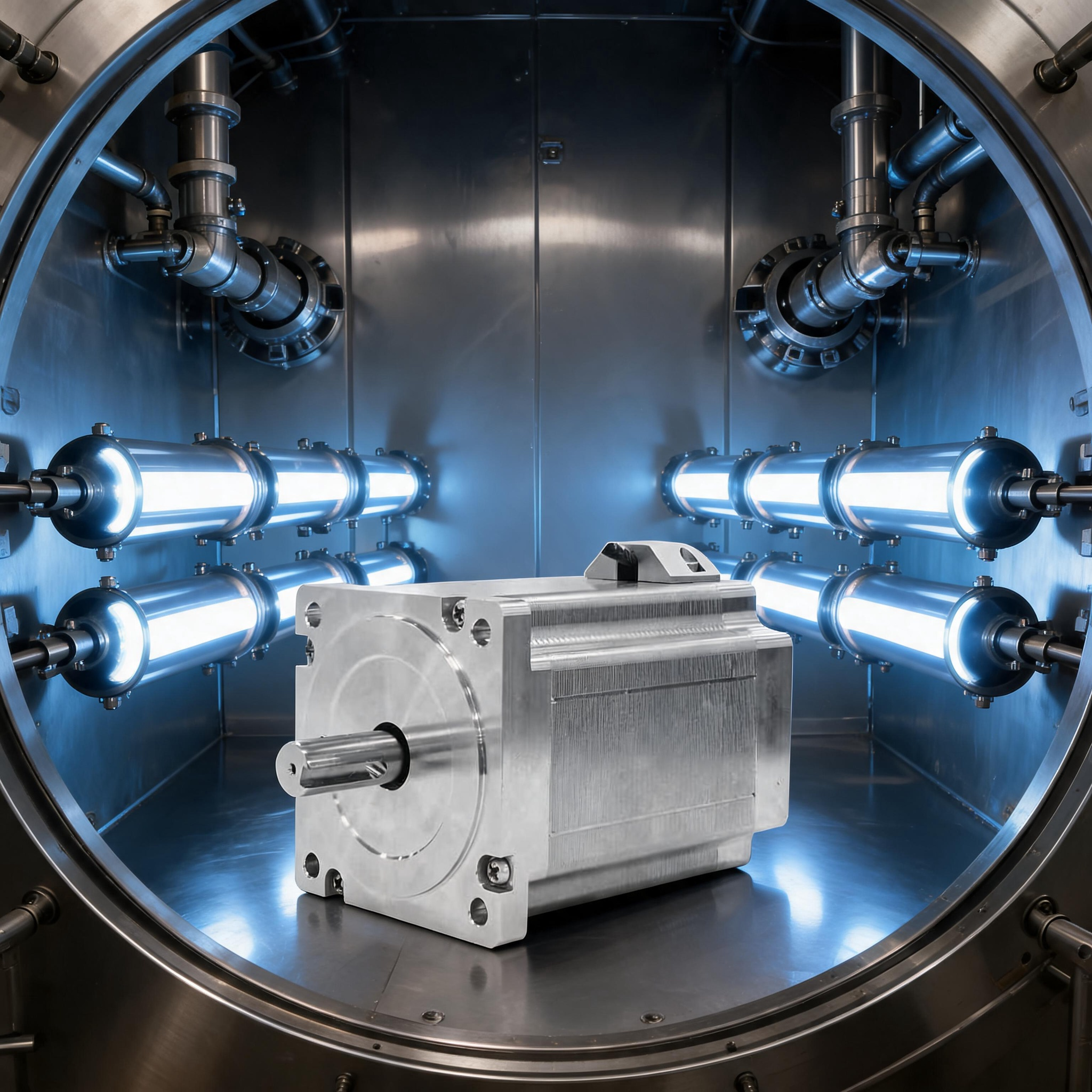
3.Scientific Instruments and High-End Manufacturing
High-temperature stepper motors also play a crucial role in scientific research and production fields where extremely high precision and cleanliness are required.
Vacuum coating and welding: Directly drive workpieces or baffles within a vacuum chamber to perform precision coating or welding processes.
Electron microscopes and synchrotron radiation facilities: Used to precisely move sample stages or other optical components in ultra-high vacuum environments.
Biomedical Applications: Providing high-precision motion control in environments requiring cleanliness or extreme temperature control, such as genetic sampling equipment and analytical instruments.

 86-0519-86163211,86-0519-86163212