Last summer, an equipment engineer from a chemical plant in Shandong called me, his voice tense: "We're installing a new unit handling diethyl ether. The supplier recommends T5 explosion-proof motors. But from what I've researched, diethyl ether's ignition temperature is just over 100°C, and a T5 motor's maximum surface temperature is exactly 100°C. Isn't that running right on the edge?"
The engineer's concern was entirely justified. In explosion protection standards, the six temperature classes from T1 to T6 might look like just numbers on paper, but each step represents a different level of safety margin. And that 15°C difference between T6 and T5? In some situations, it's the difference between safe and sorry.
I. Temperature Classes Aren't a "Performance Ranking"—They're Safety Limits
Let's clear up a common misconception first: T6 isn't "better" than T1—it means the motor's maximum allowable surface temperature is lower.
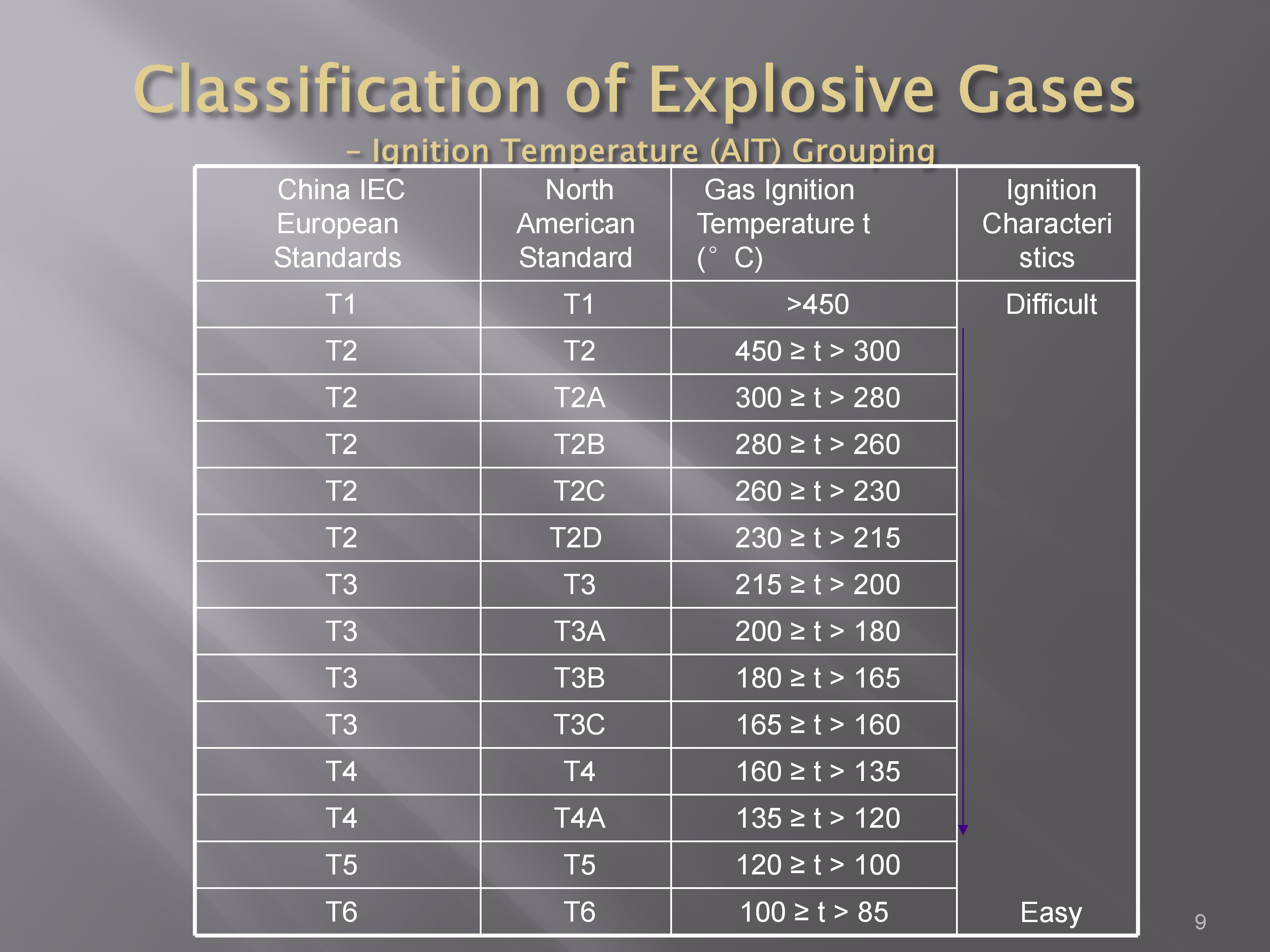
According to GB 3836 and IEC 60079 standards, explosion-proof electrical equipment is divided into six temperature classes based on maximum surface temperature:
| Temperature Class | Max Surface Temp | Applicable Gas Ignition Temp |
| T1 | ≤450°C | >450°C |
| T2 | ≤300°C | >300°C |
| T3 | ≤200°C | >200°C |
| T4 | ≤135°C | >135°C |
| T5 | ≤100°C | >100°C |
| T6 | ≤85°C | >85°C |
The physics behind these numbers: under normal operation and recognized fault conditions, no surface of the equipment can exceed this temperature limit. The lower the limit, the less thermal stress the equipment imposes on the surrounding explosive atmosphere, and the higher the safety margin.
Between T5 and T6, it's only a 15°C difference on paper. But many common industrial solvents have ignition temperatures hovering right around that line:
Diethyl ether: ignition temperature 100°C
Ethyl nitrite: ignition temperature 85°C
Ethyl methyl ether: ignition temperature 85°C
For these media, a T5 motor (≤100°C) cuts it dangerously close. A T6 motor (≤85°C) provides a genuine 15°C safety cushion.
II. How Do You Save Those 15°C from T5 to T6?
Squeezing motor surface temperature from 100°C down to below 85°C isn't just a matter of changing the nameplate. That 15°C difference tests the manufacturer's entire chain from design to production.
First Barrier: Heat Source Control
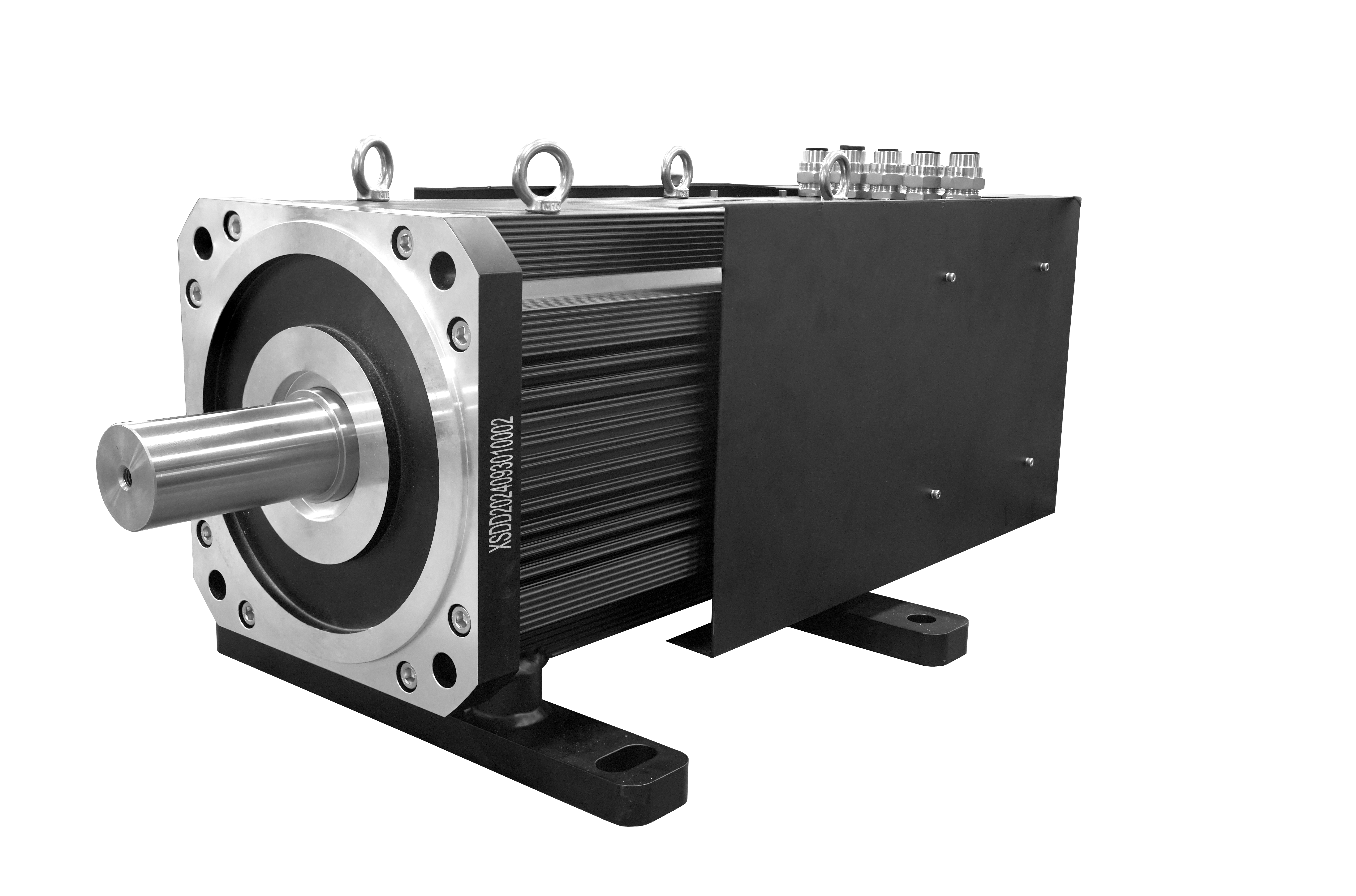
Motor heat mainly comes from copper and iron losses. Wheatstone T6 explosion-proof servo motors use high-grade, low-loss silicon steel laminations to minimize iron losses. Stator windings feature high slot-fill designs, delivering the same torque with less current and lower copper losses. Control the heat at the source, and the rest becomes manageable.
Second Barrier: Thermal Path Optimization
Heat traveling from windings to the housing surface follows a "thermal path." In Wheatstone's design, the stator core and housing aren't just pressed together—they're assembled using thermal interference fit: heat the housing, chill the stator, then assemble for zero-gap contact. Thermal conductivity is over 40% higher than conventional assemblies.
Third Barrier: Real-Time Temperature Monitoring
Design alone isn't enough—you need to monitor during operation. Wheatstone T6 motors come standard with PT100 platinum resistance sensors embedded in the windings, feeding real-time temperature data to the drive. When temperature approaches the 85°C red line, control strategies automatically adjust—either load reduction or alarm, never crossing the line.
With these three barriers, T6 motor surface temperatures stay steadily below 85°C, whether at full load or overload—never stepping over the line.
III. Wheatstone T6 Explosion-Proof Servo Motor Selection Guide
Wheatstone is one of the few domestic manufacturers capable of batch supplying T6 temperature class explosion-proof servo motors, covering gas explosion protection (Ex d IIB T6), dust explosion protection (Ex tD A21), and hybrid applications.
TBYC Series (General Purpose)
| Parameter | Range | Description |
| Power | 0.75-315kW | Covers most industrial scenarios |
| Explosion Protection | Ex d IIB T6 Gb | Suitable for Zone 1/2 gas environments |
| Surface Temperature | ≤85°C | T6 core specification |
| Encoder | 23-bit absolute/Resolver | High-precision positioning |
| Protection Rating | IP65/IP67 | Dust/water/corrosion resistant |
Case Study 1: Chemical Plant Diethyl Ether Transfer Pump
Medium: diethyl ether, ignition temperature 100°C. A T5 motor (≤100°C) would run right on the edge. Wheatstone proposed a T6 motor with surface temperature controlled at 82-85°C, providing a 15°C safety margin. Eighteen months continuous operation, zero failures, zero alarms.
TYCXP Series (High-Precision Positioning)
| Parameter | Range | Description |
| Power | 0.4-22kW | Suitable for robots, reciprocators |
| Explosion Protection | Ex d IIB T6 Gb | Dust protection optional |
| Surface Temperature | ≤85°C | With intelligent thermal control |
| Encoder | 23-bit multi-turn absolute | Power-off position memory |
| Brake | Optional electromagnetic | Vertical axis safety |
Case Study 2: Paint Plant Automatic Spraying Reciprocator
Paint booth solvents include xylene and ethyl acetate, with ignition temperatures between 100-120°C. The client initially selected T5 motors, but safety review rejected it, citing "unacceptable risk with critical values." After switching to Wheatstone T6 motors, actual measurement surface temperature peaked at 83°C, passed review, and has been running for two years.
IV. When Must You Choose T6?
Not saying T5 is unusable—it depends on the media.
Media ignition temperature > 120°C: T4 (135°C) or T5 (100°C) sufficient, with margin
Media ignition temperature 100-120°C: T6 recommended. T5 cuts close; T6 adds a layer of protection
Media ignition temperature < 100°C: T6 mandatory—e.g., ethyl nitrite (85°C), ethyl methyl ether (85°C)
This selection logic is the basic bottom line of explosion safety.
V. Final Thoughts
The engineer took the advice and chose Wheatstone T6 motors. After commissioning, he messaged me: "At the time I thought you were being overly cautious. Now I realize that 15°C margin bought us peace of mind."
In hazardous areas, safety is never a calculation—it's a red line. That 15°C difference between T6 and T5 might seem small, but for certain media, it's the distance between "safe" and "critical."
Wheatstone has spent over a decade Accumulate hard-won experience
in T6 explosion-proof servo motors. From material selection to thermal management design, from temperature monitoring to certification testing, every step is solid. If you're struggling with explosion-proof selection, let's talk. We're happy to help you calculate whether that 15°C safety margin is worth it.

 86-0519-86163211,86-0519-86163212







