Next to a catalytic cracking unit at a refinery, ambient temperatures often exceed 150°C. Near coal gasification equipment, heat radiates intensely while flammable gases fill the air. These environments present a dual challenge for motors: they must withstand high temperatures while preventing ignition.
A plant manager once told me: "The motors we tried either had the right explosion-proof rating but couldn't take the heat, or handled temperature well but lacked proper certification. Nothing worked."
His question is common: Can one motor truly deliver both high-temperature tolerance and explosion protection?
The answer is yes. Wheatstone explosion-proof high-temperature motors are engineered specifically for these demanding scenarios.
I. Explosion-Proof Design: The Safety Philosophy Inside a Flameproof Enclosure
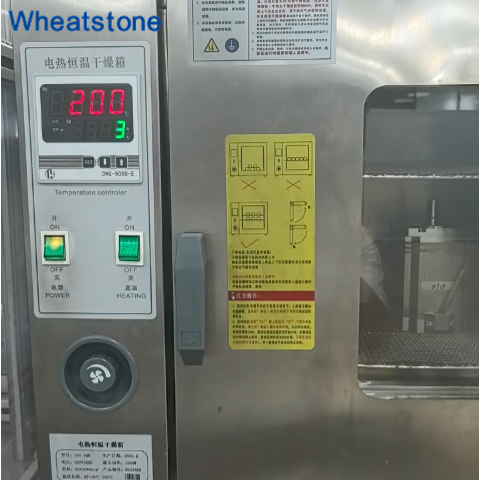
In explosive gas atmospheres, the greatest risk comes from inside the motor itself: arcs from winding shorts, high temperatures from bearing failures—both potential ignition sources.
Wheatstone explosion-proof high-temperature motors use Ex d flameproof enclosure construction. The design philosophy is clever: not preventing internal explosions, but ensuring that even if one occurs, it won't ignite the external atmosphere.
The motor housing is a pressure-bearing structure designed to GB 3836 and IEC 60079 standards. The joints between housing and end covers feature precision-machined flame paths—carefully calculated gaps and lengths. If an internal explosion occurs, the high-temperature flames cool below ignition point as they pass through these paths, unable to ignite external gases.
Housings are made from high-strength alloys, validated through 1.5x rated pressure static tests to ensure no deformation or rupture under extreme conditions.
Wheatstone's Technical Foundation: With over two decades in specialty motors, Wheatstone holds complete explosion-proof certifications: Class I coal mining, Class II gas, Class III dust, plus international IECEx and ATEX certifications. Whether your project is domestic or for export, we have the credentials to support it.
II. High-Temperature Materials: Heat Resistance Is Prerequisite for Safety
For explosion-proof motors in hot environments, material selection is critical.
Insulation Systems: Standard Class B insulation (130°C) fails quickly at 150°C+. Wheatstone uses Class H (180°C) and Class C (200°C+) insulation, with polyimide film and mica tape composites. Vacuum Pressure Impregnation ensures insulating resin fills every void—no bubbles, no discharge paths.
Permanent Magnets: For PM motor variants, thermal stability is key. Wheatstone matches magnets to temperature grades: N38UH high-temp NdFeB below 150°C, Samarium Cobalt for 150-200°C (flux decay <5% at 200°C).
Lubrication: Standard greases volatilize and carbonize at high temperatures. Wheatstone uses perfluoropolyether (PFPE) grease, rated to 300°C with extremely low vapor pressure, maintaining stable lubrication in extreme heat.
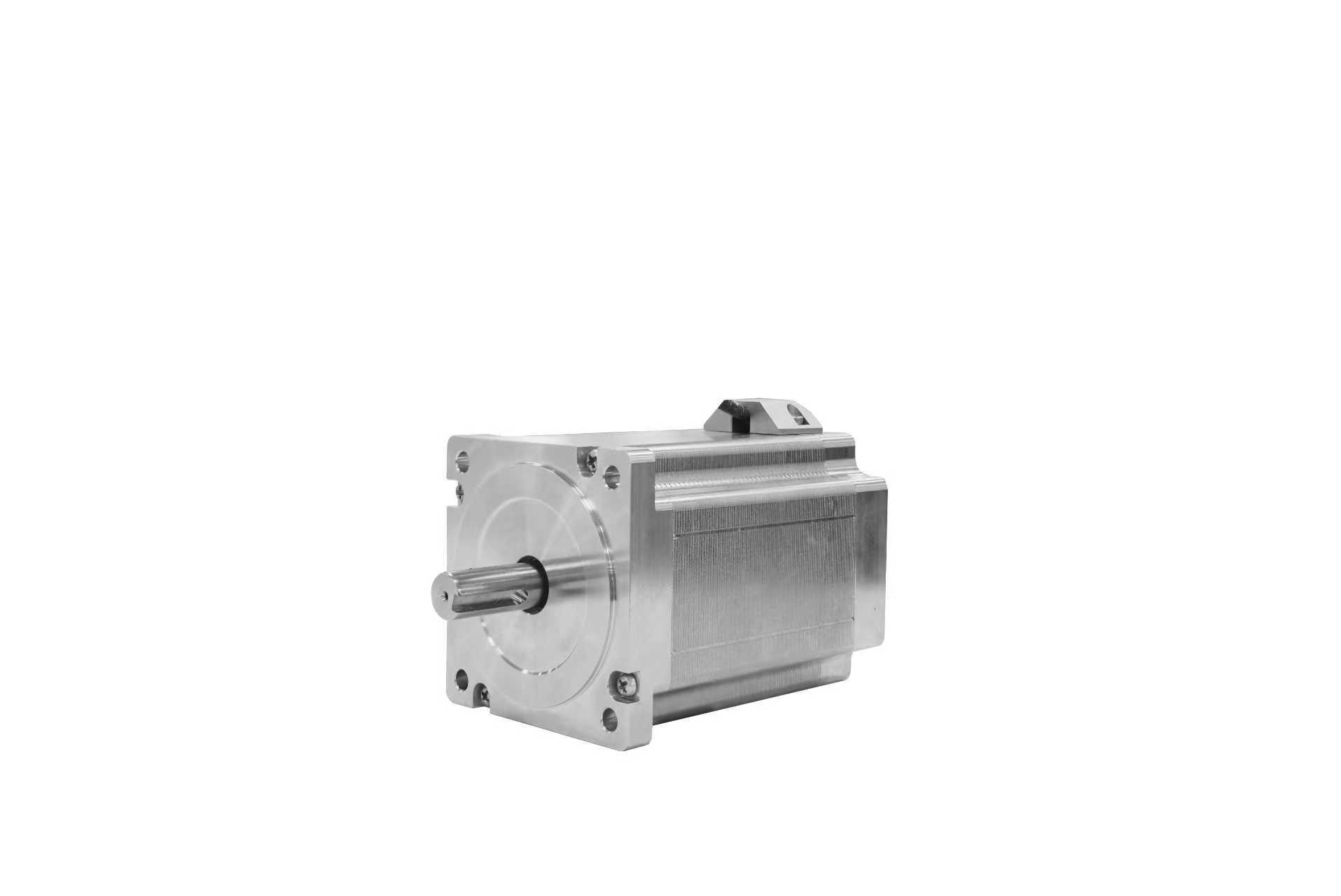
III. Dual Protection: Temperature Monitoring and Active Control
Materials and structure aren't enough—real-time monitoring during operation is essential.
Wheatstone explosion-proof high-temperature motors feature embedded high-precision temperature sensors, continuously monitoring windings and bearings. When temperatures approach thresholds, the control system automatically adjusts: derating, warning, or shutdown—ensuring surface temperatures stay within the specified temperature class.
Temperature class is critical for explosion safety. Wheatstone motors commonly meet T4 class (≤135°C surface temperature), suitable for low-ignition-temperature media like diethyl ether and acetaldehyde. T3 and T2 options are also available for higher-temperature requirements.
IV. Real-World Case: Three Years of Reliable Service in a Refinery
A major Shandong refinery had a heavy oil transfer system operating in high temperatures with flammable gas present. Previously, they used an imported brand—three replacements in two years, each shutdown costing hundreds of thousands.
In 2022, they switched to Wheatstone explosion-proof high-temperature motors: TBYC series, Ex d IIB T4 rated, Class H insulation, built-in temperature sensors. They've now run continuously for over 36 months without a single failure. The plant manager noted: "We measured housing temperatures during peak summer—consistently around 82°C, well below the T4 limit. Solid peace of mind."
Another coal chemical plant with gasification equipment sees ambient temperatures often exceeding 180°C. They use custom Wheatstone high-temperature explosion-proof PM motors with SmCo magnets, Class C insulation, and water cooling—two years Smooth operation with efficiency consistently above 92%.
V. Wheatstone Explosion-Proof High-Temperature Motor Selection Guide
| Series | Type | Power Range | Explosion Protection | Temp Class | Insulation | Typical Applications |
| TBYC-EX Series | PM Synchronous | 7.5-315kW | Ex d IIB T4 | T4(≤135℃) | Class H/C | Refinery pumps, compressors |
| WCS-EX Series | Servo Motor | 1.5-55kW | Ex d IIB T4 | T4(≤135℃) | Class H | Hazardous area reciprocators, sprayers |
| HS-EX Series | Stepper Motor | 0.4-7.5kW | Ex d IIB T4 | T4(≤135℃) | Class H | Explosion-proof doors, valve controls |
| Custom Series | Custom | Custom | Ex d IIB/C | T3-T6 | Custom | Special media, extreme conditions |
Wheatstone offers explosion-proof motors from 40mm to 400mm frames, 50W to 200kW power, and 24V to 3000V voltage.
VI. Selection Considerations
Match Temperature Class to Media
Different gases have different ignition temperatures. T4 (≤135℃) covers most petrochemical scenarios, but for media like carbon disulfide (ignition 90℃), T5 or T6 is required.
Match Protection Type to Zone
Ex d flameproof is suitable for Zones 1 and 2. For dust hazards, Wheatstone also offers Class III dust explosion certifications.
Choose Cooling Method Based on Duty
For continuous high-power applications, water cooling or forced air is recommended. Wheatstone liquid-cooled explosion-proof motors have over 30,000 hours validation on steel continuous casting lines.
Verify Certifications
Domestic projects require China Explosion-Proof Certificates; export projects need ATEX or IECEx. Wheatstone holds all three, supporting projects worldwide.
Final Thoughts
Explosion protection and high-temperature tolerance aren't mutually exclusive—they can coexist in a single, well-engineered motor. Wheatstone has nearly two decades of experience in this field: material selection, structural design, process control, certification testing—every step accumulation hard experience. If you're struggling with motor selection for high-temperature hazardous environments, let's talk. Wheatstone's engineering manual contains dozens of material combinations and hundreds of application cases. Maybe the perfect solution is waiting for your project.
Contact Jiangsu Wheatstone: wheatstonemotor.com Ask for an engineer directly. We're happy to talk through the details.

 86-0519-86163211,86-0519-86163212







